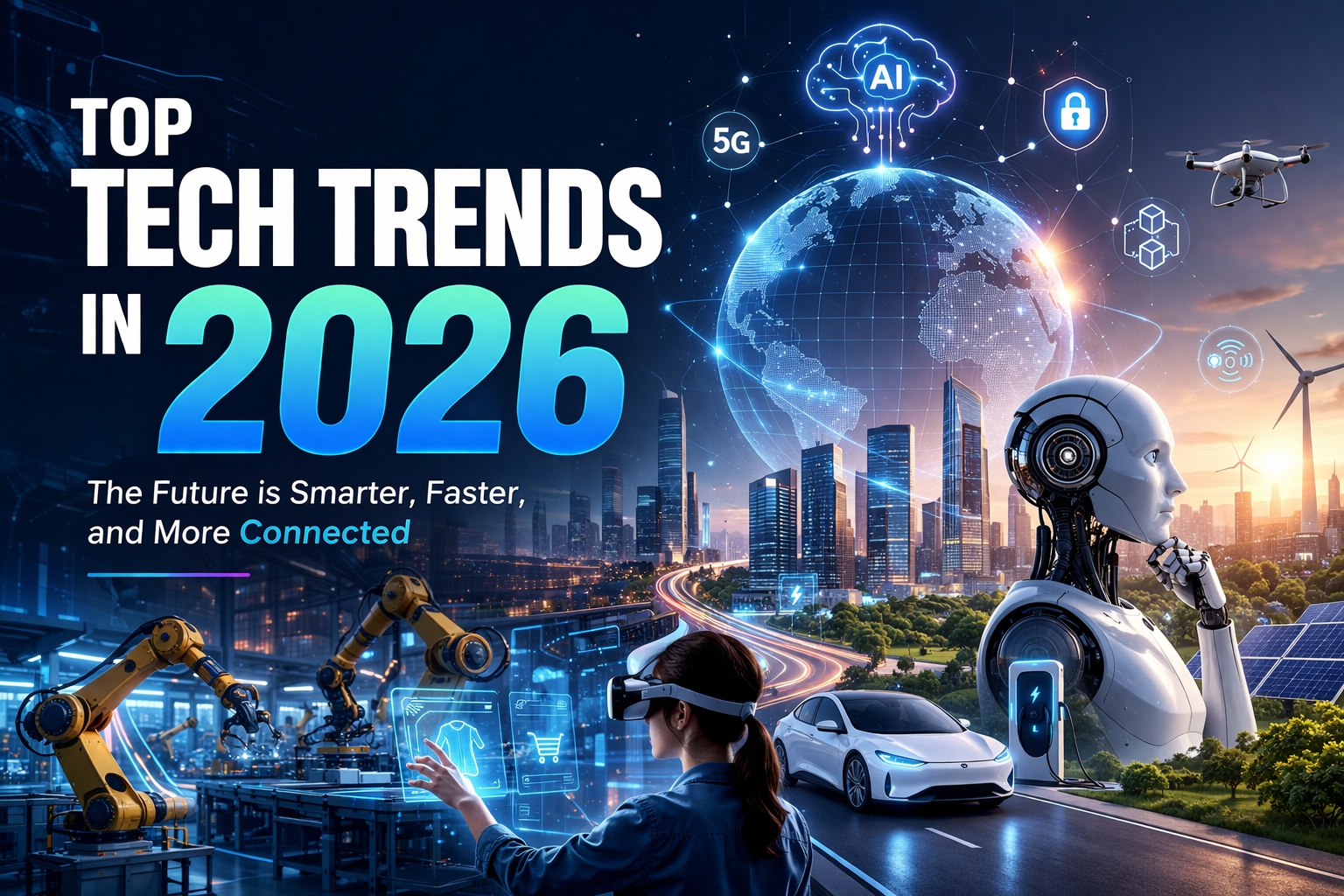
Top Tech Trends in 2026
Technology in 2026 is not just evolving—it is reshaping how businesses operate, how people interact, and how societies function. From smarter AI systems to sustainable innovations, this year is defined by practical, scalable, and human-centric technology.
Below is a comprehensive guide to the most important tech trends in 2026, explained in clear, human language with visual examples to help you understand each concept better.
1. Artificial Intelligence Becomes More Human-Like
Artificial Intelligence (AI) is no longer limited to automation—it now understands context, emotions, and intent better than ever. Tools like ChatGPT and Google Gemini are capable of handling complex tasks such as content creation, coding, customer service, and even strategic decision-making.
Key Developments:
- AI agents performing multi-step tasks autonomously
- Voice and visual AI becoming more natural
- AI copilots integrated into everyday software
Real-Life Example: Businesses now use AI assistants to handle customer queries 24/7, reducing costs and improving response times.

2. Rise of Edge Computing
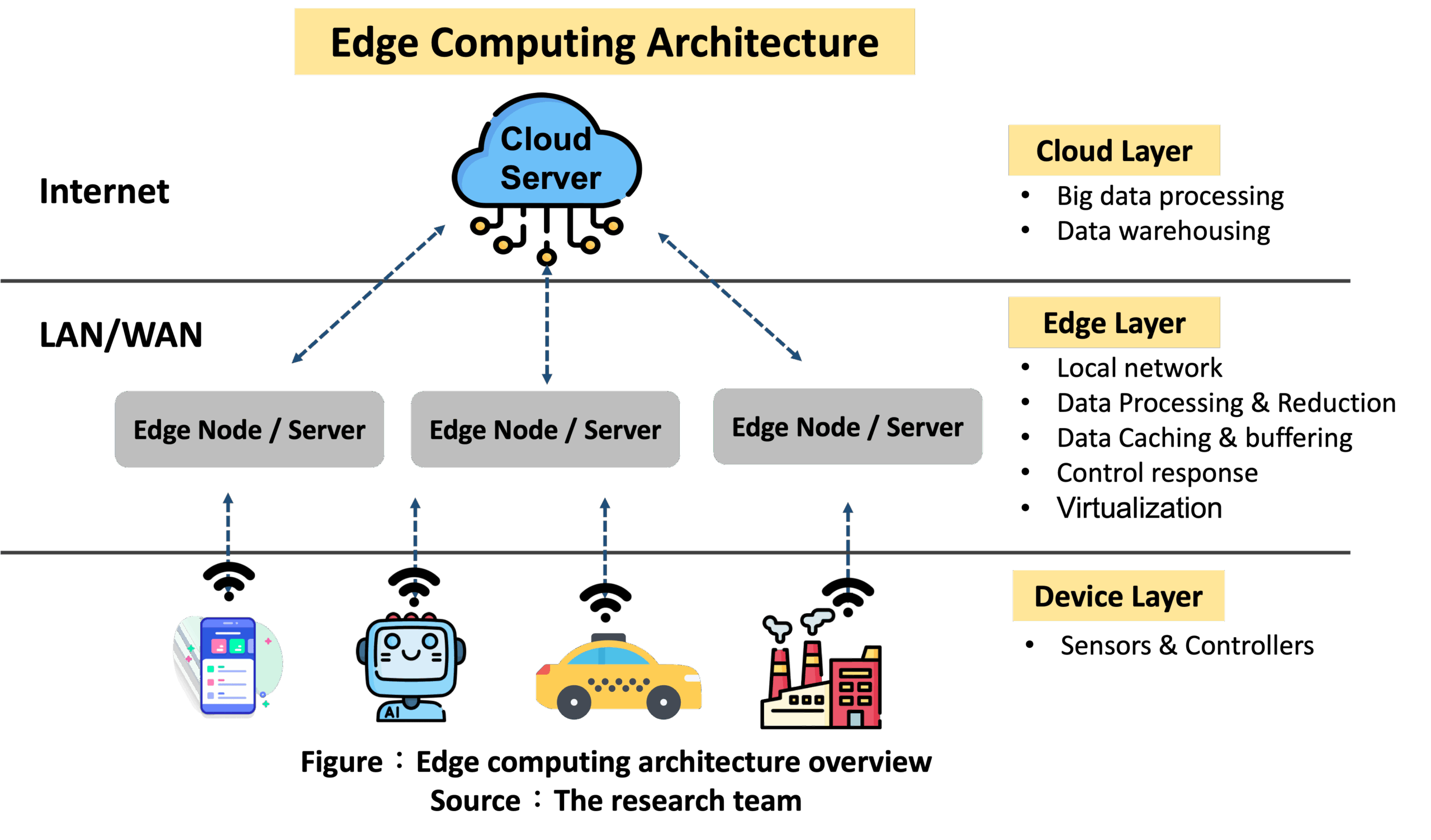
Edge computing processes data closer to where it is generated instead of relying on distant cloud servers. This reduces latency and improves speed—critical for real-time applications.
Why It Matters:
- Faster decision-making
- Reduced internet dependency
- Enhanced data privacy
Example: Smart traffic systems analyze data locally to control signals instantly, avoiding congestion in real time.
3. 5G Expansion and Early 6G Research
While 5G is becoming mainstream globally, early-stage 6G research is already underway. Faster connectivity is enabling innovations like autonomous vehicles, smart cities, and immersive experiences.
Impact:
- Ultra-fast downloads and streaming
- Seamless IoT connectivity
- Growth of augmented and virtual reality
Example: Remote surgeries powered by high-speed networks are becoming more reliable and accessible.
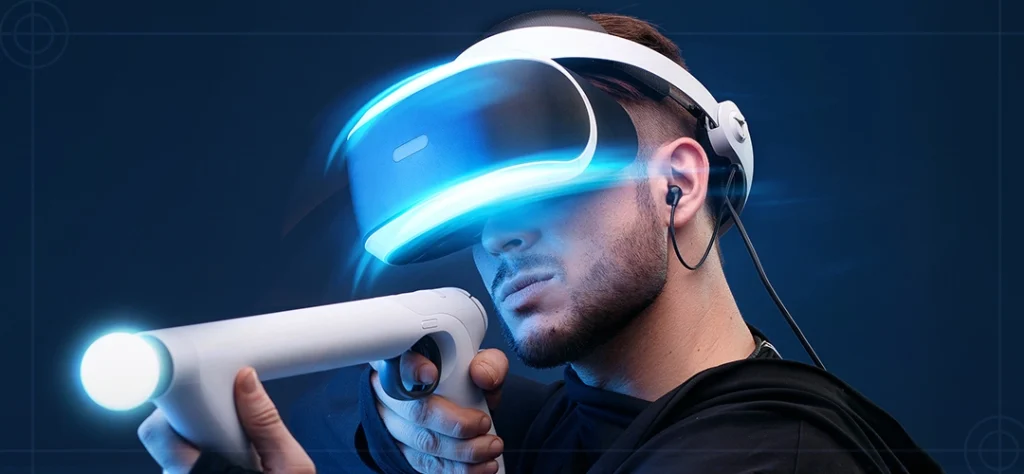
4. Extended Reality (XR): AR, VR, and MR
Extended Reality (XR) combines Augmented Reality (AR), Virtual Reality (VR), and Mixed Reality (MR) to create immersive digital environments.
Key Use Cases:
- Virtual meetings and offices
- Interactive online shopping
- Advanced training simulations
Example: Retail brands allow customers to “try” products virtually before purchasing, improving user experience and reducing returns.
5. Sustainable and Green Technology
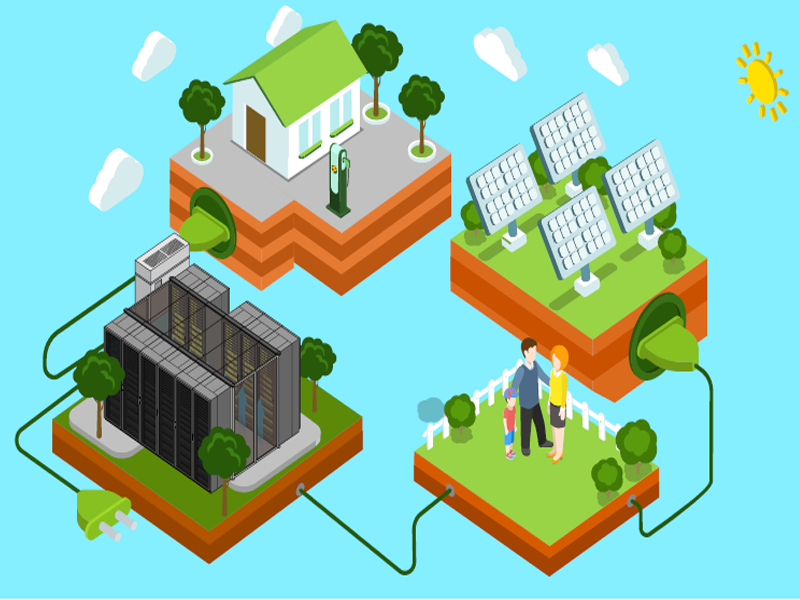
Sustainability is now a core focus in technology development. Companies are investing in energy-efficient systems and eco-friendly innovations.
Trends:
- Carbon-neutral data centers
- Renewable energy integration
- Electric and autonomous vehicles
Example: Major tech companies are powering their data centers using solar and wind energy to reduce carbon footprints.
6. Cybersecurity Gets Smarter
With increasing cyber threats, cybersecurity is evolving rapidly. AI-driven security systems now detect and respond to threats in real time.
Key Innovations:
- Zero Trust Architecture
- Biometric authentication
- AI-based threat detection
Example: Banks use AI to detect unusual transactions instantly and prevent fraud before it happens.
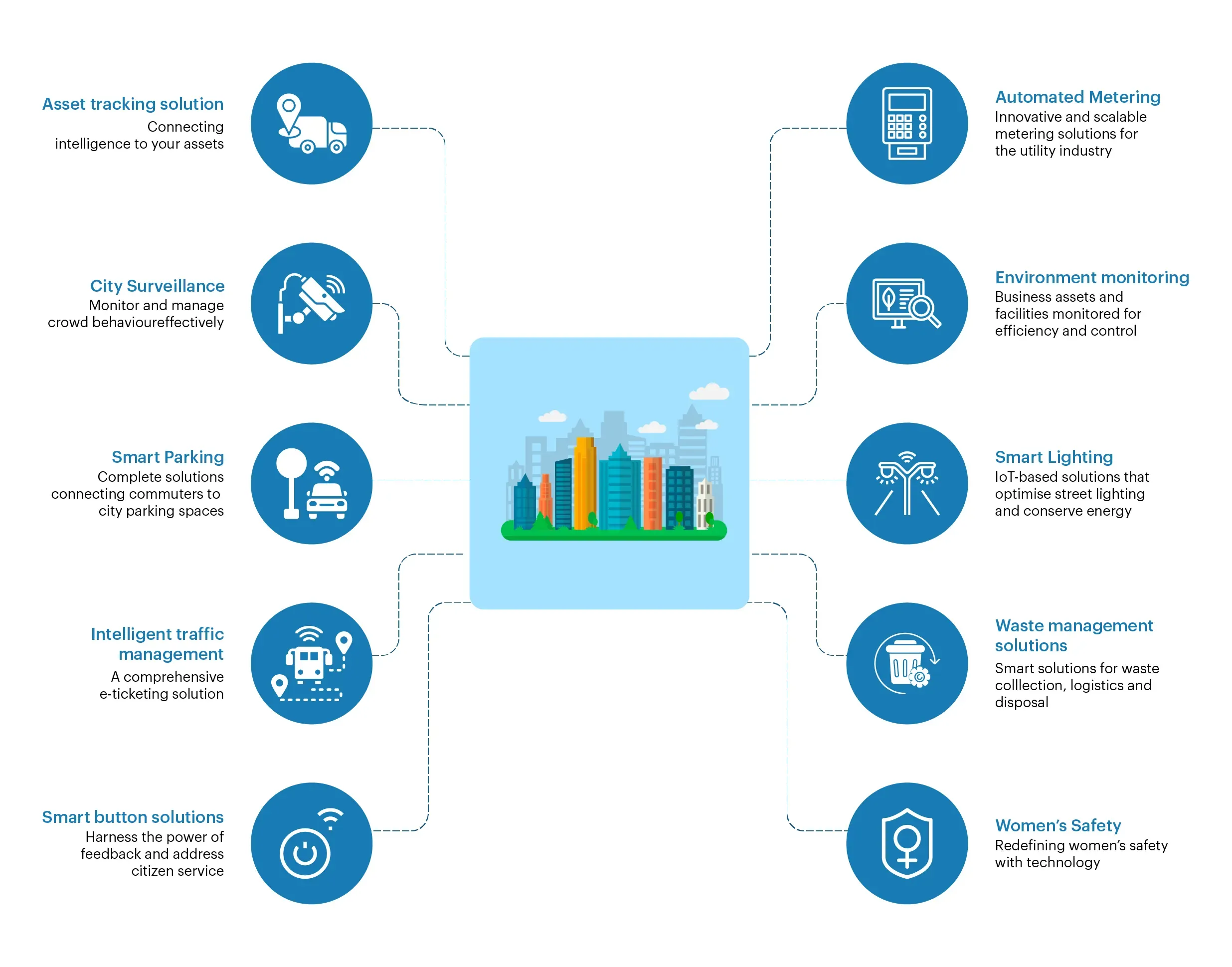
7. Internet of Things (IoT) Everywhere
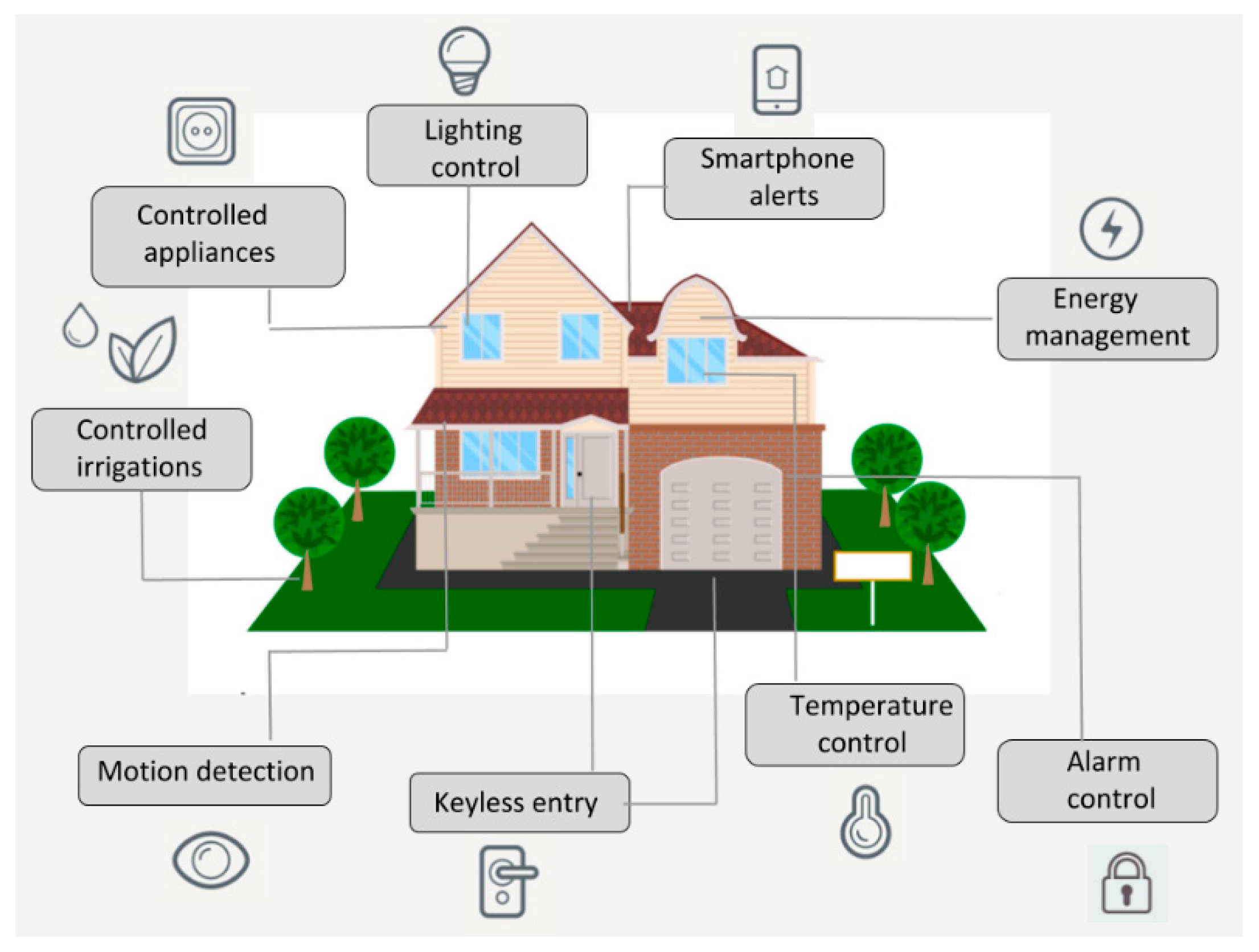
IoT is connecting everything—from homes to industries—creating a smarter and more efficient world.
Applications:
- Smart homes and cities
- Industrial automation
- Healthcare monitoring
Example: Smartwatches track health metrics and alert users about potential health risks in real time.

8. Quantum Computing Breakthroughs
Quantum computing is moving from theory to practical experimentation, solving problems that traditional computers cannot handle.
Potential:
- Drug discovery
- Complex simulations
- Advanced encryption
Example: Researchers use quantum systems to model molecular structures for faster medical breakthroughs.
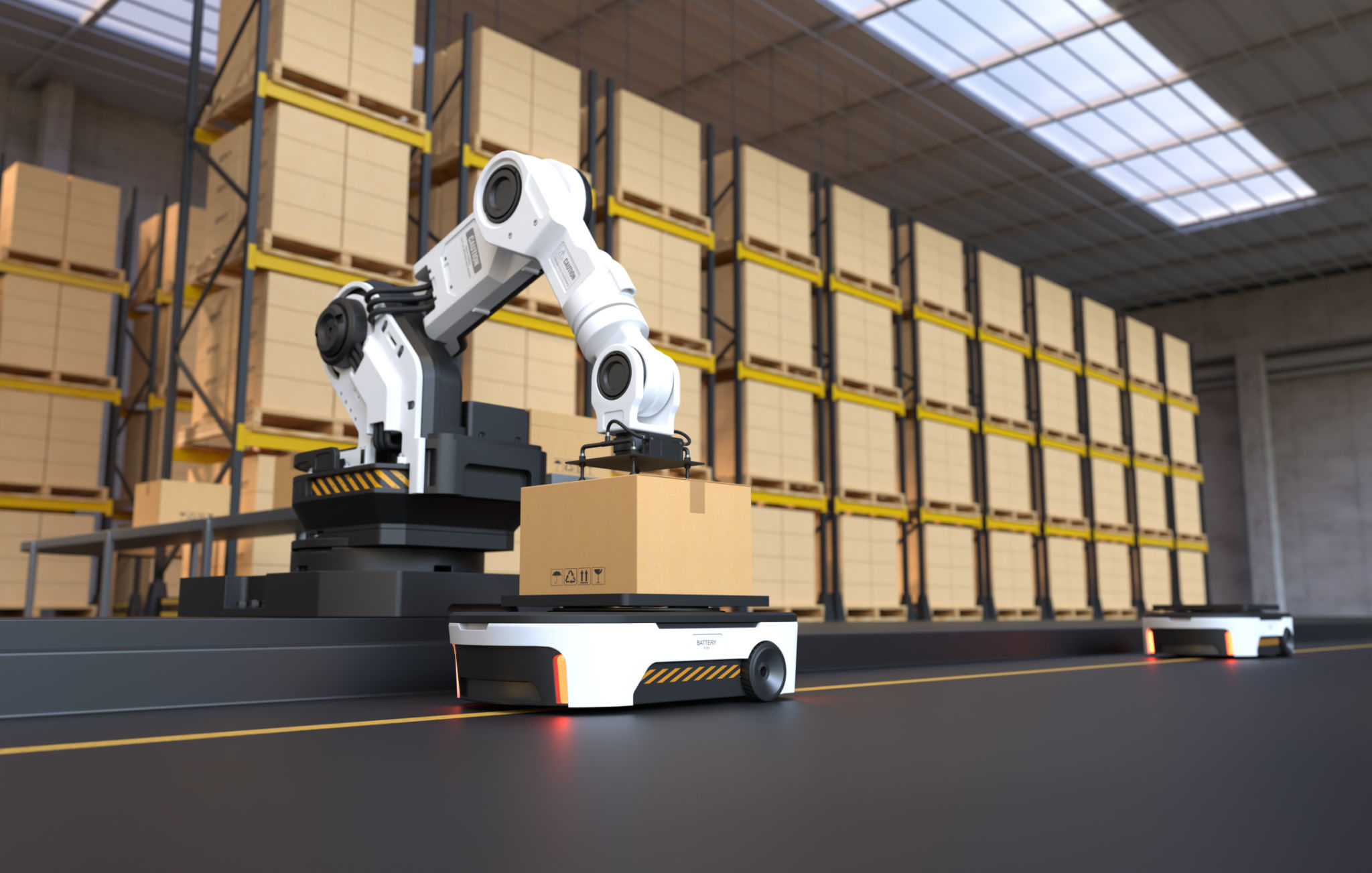
9. Automation and Robotics Expansion
Robotics and automation are transforming industries by increasing efficiency and reducing human error.
Key Areas:
- Manufacturing
- Logistics
- Healthcare
Example: Warehouses use robots to manage inventory and speed up order fulfillment.
10. Blockchain Beyond Cryptocurrency
Blockchain technology is expanding beyond cryptocurrencies like Bitcoin and Ethereum.
New Use Cases:
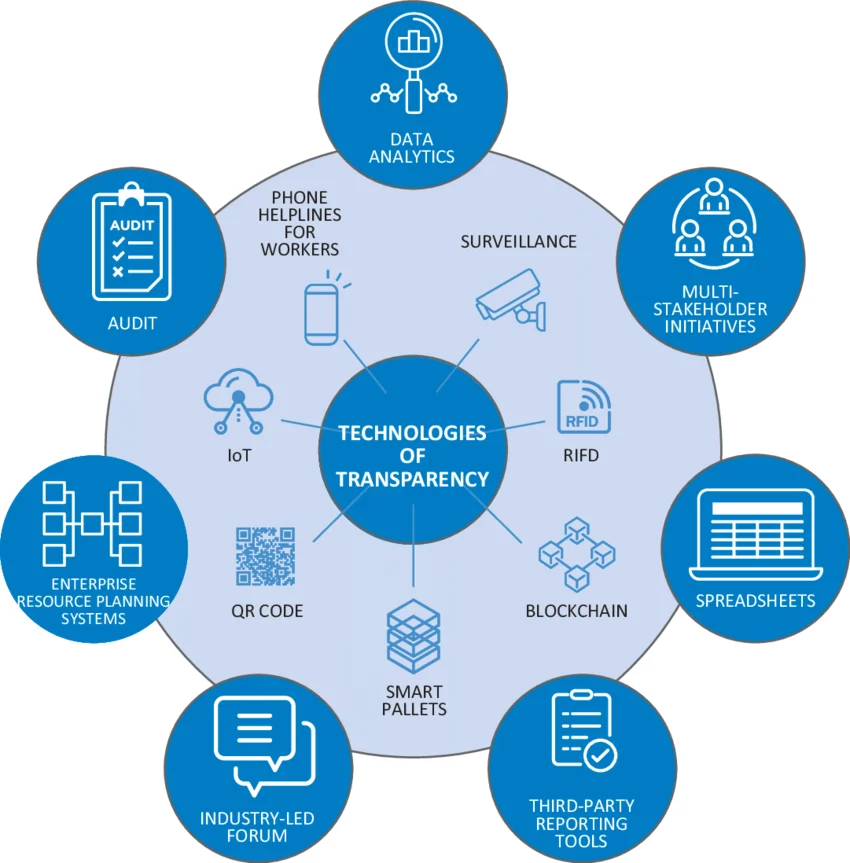
- Supply chain transparency
- Digital identity verification
- Smart contracts
Example: Companies track products from origin to delivery using blockchain for complete transparency.
Final Thoughts
The tech landscape in 2026 is driven by intelligence, speed, sustainability, and connectivity. Businesses and individuals who adapt to these trends will not only stay relevant but also gain a competitive advantage.
From AI-powered tools to green innovations, the future is not just digital—it is smarter, faster, and more human-centric.

Leave a Reply