Artificial Intelligence (AI) is no longer a futuristic concept—it is rapidly transforming how India works, learns, and grows. From startups to government initiatives, AI is becoming a key driver of innovation and economic development.
In this article, we explore the future of AI in India, its impact across industries, opportunities, and challenges.
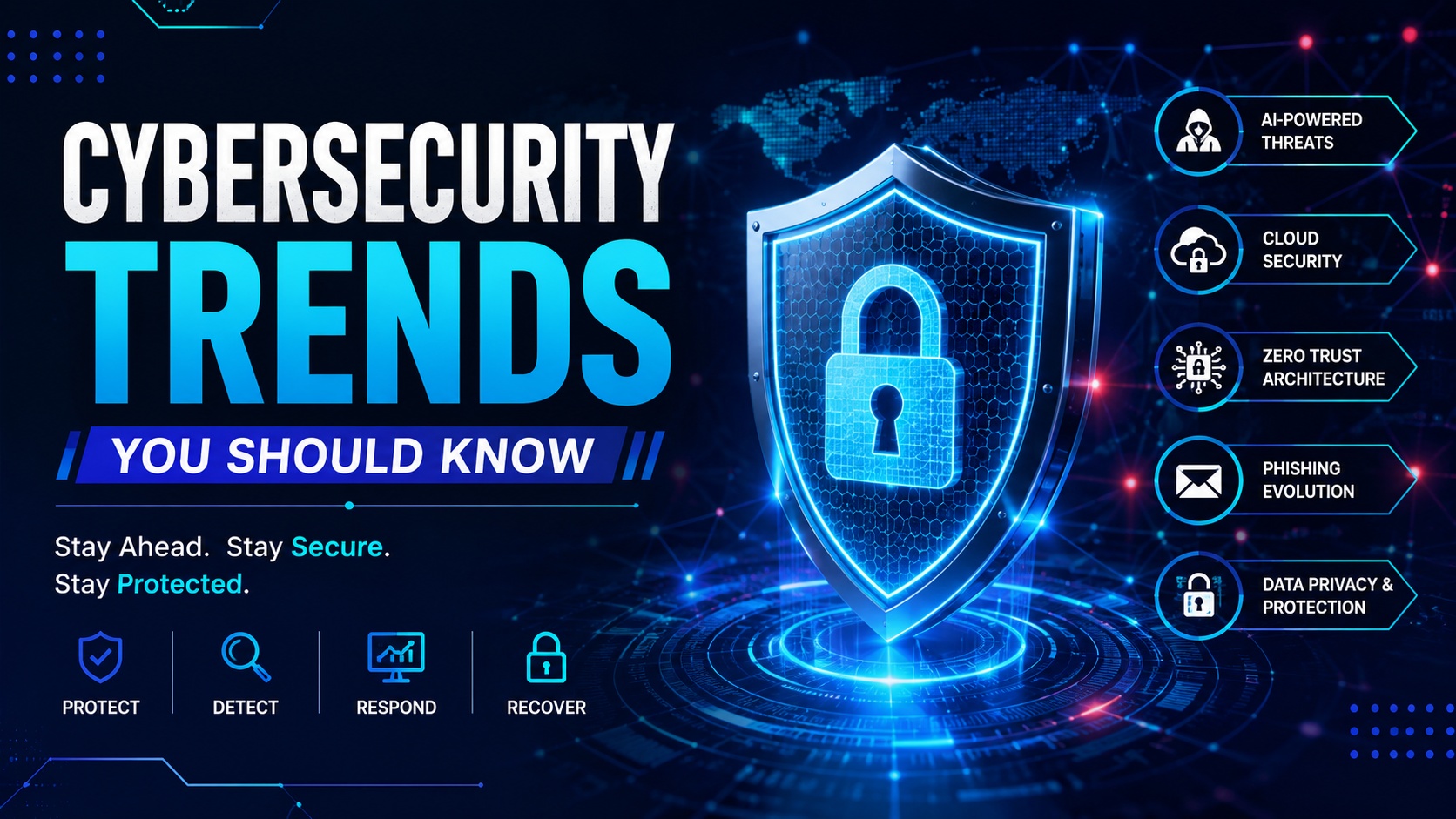
1. Rise of AI-Powered Cyber Attacks
Artificial Intelligence (AI) is transforming cybersecurity—but not just for defense. Hackers are now using AI to automate attacks, making them faster, smarter, and harder to detect.
Example:
Imagine receiving an email that looks exactly like it came from your bank, with perfect grammar and personalized details. That’s AI-generated phishing—far more convincing than traditional scams.
Key Insight:
- AI can mimic human behavior.
- It enables automated vulnerability scanning.
- It increases the success rate of phishing attacks.
2. Zero Trust Security Model
The traditional “trust but verify” model is outdated. The Zero Trust approach assumes that no user or device should be trusted by default—even inside your network.
Example:
Even if you are logged into your office system, you may still need to verify your identity multiple times to access sensitive files.
Key Insight:
- Continuous authentication is required.
- Access is granted based on strict identity checks.
- Minimizes internal threats.
3. Increased Ransomware Attacks
Ransomware attacks have surged dramatically. In these attacks, hackers lock your data and demand payment to restore access.
Example:
A hospital system gets hacked, and patient records become inaccessible until a ransom is paid—putting lives at risk.
Key Insight:
- Targets include businesses, hospitals, and governments.
- Attackers often demand cryptocurrency.
- Backup systems are critical for recovery.
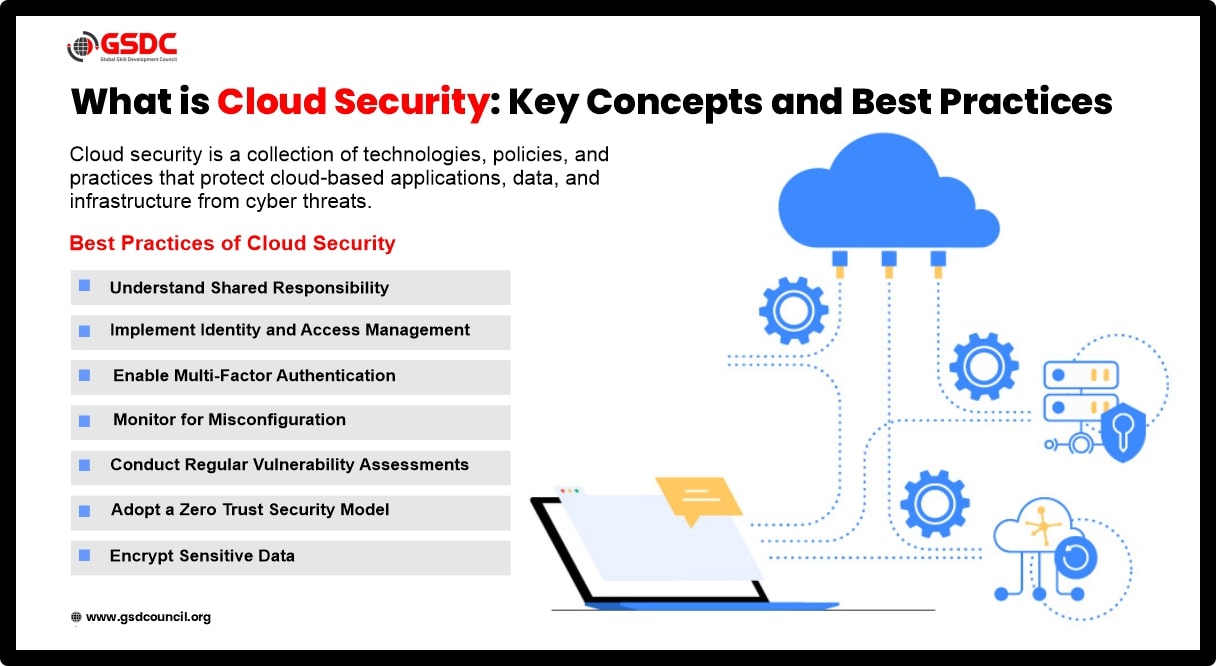
4. Cloud Security Becomes a Priority
With more companies moving to cloud platforms, securing cloud environments is more important than ever.
Example:
A misconfigured cloud database can expose sensitive customer information to the public without the company even realizing it.
Key Insight:
- Misconfigurations are a major risk.
- Strong encryption and access controls are essential.
- Regular audits help prevent breaches.
5. Multi-Factor Authentication (MFA) Everywhere
Passwords alone are no longer enough. Multi-Factor Authentication (MFA) adds extra layers of security.
Example:
You log into your account with a password, then receive a one-time code on your phone—this second step blocks unauthorized access.
Key Insight:
- Combines something you know (password) with something you have (phone).
- Greatly reduces hacking risk.
- Becoming standard across apps and services.
6. Internet of Things (IoT) Vulnerabilities
Smart devices—from home assistants to security cameras—are often poorly secured, making them easy targets for hackers.
Example:
A hacker gains access to a smart camera due to weak default passwords, compromising privacy.
Key Insight:
- Many devices lack proper security updates.
- Default credentials are often unchanged.
- Network segmentation can reduce risks.
7. Human Error Remains the Biggest Risk
Despite advanced technology, humans are still the weakest link in cybersecurity.
Example:
An employee clicks on a malicious link in an email, unknowingly giving hackers access to the company network.
Key Insight:
- Phishing attacks rely on human mistakes.
- Security awareness training is critical.
- Strong password habits and caution are essential.
8. Data Privacy Regulations Are Expanding
Governments worldwide are introducing stricter data protection laws to safeguard user information.
Example:
Companies must now clearly inform users how their data is collected, stored, and used—or face heavy penalties.
Key Insight:
- Compliance is mandatory for businesses.
- Transparency builds user trust.
- Data handling practices must improve.
Conclusion
Cybersecurity is evolving rapidly, and staying informed is your first line of defense. From AI-driven attacks to stricter privacy laws, these trends highlight the growing complexity of digital security.
Final Takeaways:
- Cyber threats are becoming smarter and more automated.
- Prevention is better than recovery.
- Awareness and proactive measures are key to staying safe.
Whether you are a business owner, developer, or everyday user, understanding these cybersecurity trends will help you protect your data and digital identity in an increasingly risky online world.