
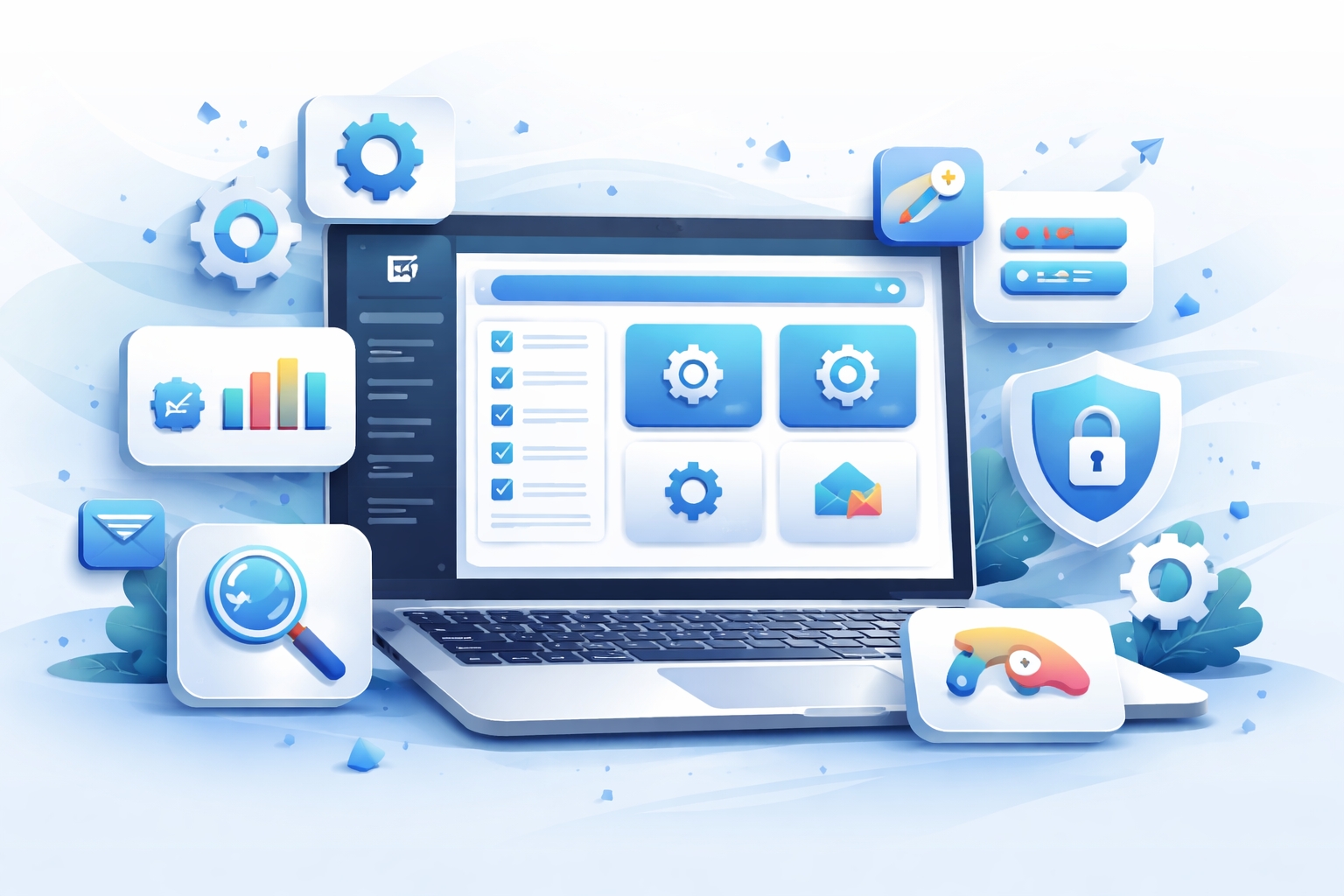
WordPress Plugins Explained: What You Need and Why
WordPress is powerful on its own, but what truly makes it flexible and scalable is its plugin ecosystem. Plugins allow you to add features, improve performance, enhance security, and customize functionality without writing a single line of code. Whether you are running a personal blog, a business website, or an eCommerce store, understanding WordPress plugins is essential for building and maintaining a successful site.
This guide explains what WordPress plugins are, why they matter, and which types you actually need.
What Are WordPress Plugins?
WordPress plugins are add-on software components that extend the core functionality of a WordPress website. Each plugin is designed to perform a specific task, such as improving SEO, adding contact forms, speeding up your site, or protecting it from security threats.
Plugins integrate seamlessly with WordPress and can be installed, activated, updated, or removed directly from the dashboard. This modular approach allows website owners to build exactly the features they need without bloating the core system.
Why Plugins Are Essential for WordPress Websites
Customization Without Coding
Plugins allow non-technical users to add advanced features without hiring developers or learning programming languages.
Scalability and Growth
As your website grows, plugins help you add new functionality such as email marketing, analytics, membership systems, or online payments.
Improved User Experience
From faster page loads to better navigation and interactive forms, plugins enhance how visitors interact with your website.
Website Security and Stability
Security and backup plugins protect your site from hacking attempts, malware, and data loss.
Types of WordPress Plugins You Need
Not all plugins are necessary for every website. Choosing the right categories of plugins is more important than installing many.
SEO Plugins
SEO plugins help your website rank better in search engines by optimizing content, meta tags, sitemaps, and readability.
- Improve search engine visibility
- Optimize on-page SEO elements
- Generate XML sitemaps automatically
Security Plugins
Security plugins protect your website from unauthorized access, malware, brute-force attacks, and suspicious activity.
- Protect sensitive data
- Prevent hacking attempts
- Monitor website activity
Performance and Caching Plugins
Performance plugins improve loading speed by caching pages, optimizing files, and reducing server load.
- Faster website loading times
- Better user experience
- Improved SEO performance
Backup Plugins
Backup plugins automatically create copies of your website files and database, allowing you to restore your site if something goes wrong.
- Prevent data loss
- Enable quick recovery
- Protect against server failures
Contact Form Plugins
Contact form plugins allow visitors to reach you easily through customizable forms.
- Improve communication
- Capture leads and inquiries
- Reduce spam with built-in filters
Analytics and Tracking Plugins
Analytics plugins help you understand how visitors interact with your website.
- Track traffic and user behavior
- Measure content performance
- Make data-driven decisions
eCommerce Plugins (If Applicable)
For online stores, eCommerce plugins enable product listings, shopping carts, payments, and order management.
- Sell products or services online
- Manage inventory and payments
- Offer secure checkout experiences
Design and Page Builder Plugins
These plugins allow you to design layouts visually using drag-and-drop tools.
- Create professional designs quickly
- Customize layouts without coding
- Maintain design consistency
How Many Plugins Should You Use?
There is no fixed number of plugins that is considered too many. The real concern is quality, performance, and necessity.
- Use only plugins you truly need
- Choose well-maintained and highly rated plugins
- Remove unused or outdated plugins
- Avoid installing multiple plugins for the same function
A well-optimized site with quality plugins often performs better than a site using fewer, poorly coded plugins.
How to Choose the Right Plugins
- Regular updates and active development
- Compatibility with your WordPress version
- Positive user reviews and ratings
- Clear documentation and support
- Lightweight performance impact
Testing plugins on a staging site before using them on a live website is always recommended.
Common Plugin Mistakes to Avoid
- Installing plugins from untrusted sources
- Ignoring plugin updates
- Using multiple plugins with overlapping features
- Keeping inactive plugins installed
- Focusing on quantity instead of quality
Final Thoughts
WordPress plugins are the backbone of a flexible and feature-rich website. When chosen wisely, they enhance performance, security, usability, and growth potential.
The key is not installing as many plugins as possible, but selecting the right ones that align with your website goals. By understanding what plugins you need and why, you can build a faster, safer, and more effective WordPress website that delivers long-term value.


1 comment so far