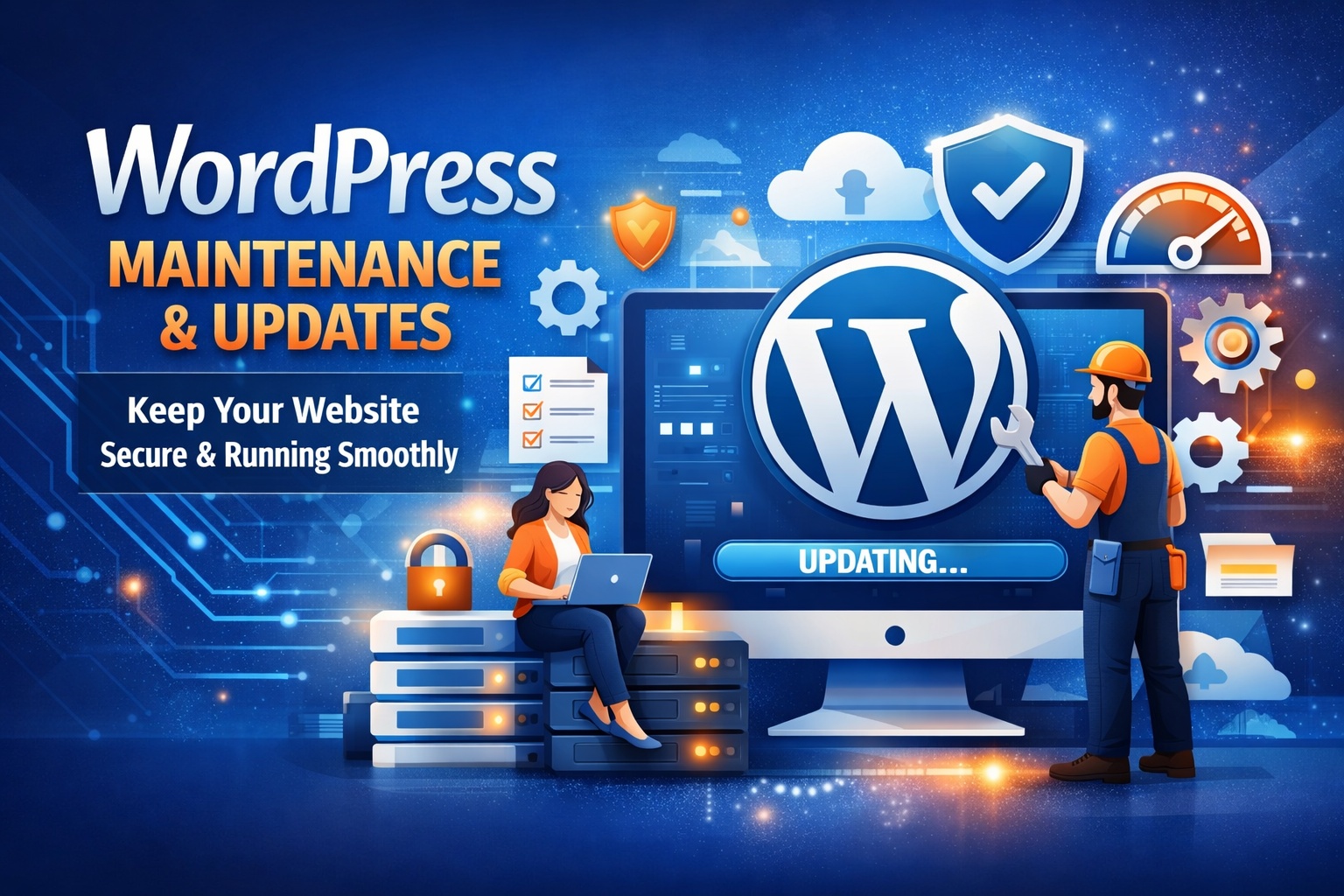
WordPress Maintenance and Updates
Keeping a WordPress website healthy is not a one-time task—it’s an ongoing process. Regular maintenance and timely updates are essential to ensure your site remains secure, fast, and fully functional. Whether you manage a personal blog, a business website, or a large content platform, proper WordPress maintenance helps prevent issues before they arise and keeps your online presence professional and reliable.
What Is WordPress Maintenance?
WordPress maintenance refers to a set of routine tasks performed to keep a website running smoothly. These tasks include updating the WordPress core, themes, and plugins, checking for security vulnerabilities, optimizing performance, fixing errors, and ensuring regular backups.
Without maintenance, websites can become slow, vulnerable to hacking, or incompatible with newer technologies. Maintenance is not just about fixing problems—it’s about preventing them.
Why WordPress Maintenance and Updates Are Important
Regular maintenance offers several long-term benefits:
- Improved Security: Updates often include security patches that fix known vulnerabilities.
- Better Performance: Maintenance helps keep your site fast and responsive.
- Stability and Compatibility: Updates ensure plugins and themes work well with the latest WordPress version.
- Enhanced User Experience: A well-maintained site loads faster and functions correctly.
- Reduced Downtime: Proactive maintenance prevents unexpected crashes or errors.
Neglecting updates is one of the most common reasons WordPress websites get hacked or break unexpectedly.
WordPress Core Updates
The WordPress core is the foundation of your website. Core updates usually include:
- Security enhancements
- Bug fixes
- Performance improvements
- New features
WordPress releases two main types of updates:
- Minor updates: Mostly security and maintenance-related (usually safe to apply automatically).
- Major updates: Introduce new features and changes (should be tested before applying).
Keeping the core up to date ensures your website benefits from the latest improvements made by the :contentReference[oaicite:0]{index=0} development community.
Plugin and Theme Updates
Plugins and themes extend the functionality and design of your website. However, outdated plugins or themes can create serious security risks.
Best practices for plugin and theme updates:
- Remove unused or inactive plugins and themes.
- Update only from trusted sources.
- Check compatibility with the current WordPress version.
- Update regularly, not all at once on a live site if possible.
Outdated plugins are one of the leading causes of website vulnerabilities, making updates critical.
Website Backups: Your Safety Net
Before performing any update, backups are essential. A backup ensures that you can restore your website if something goes wrong.
A proper backup strategy includes:
- Full website backups (files + database)
- Automated backup schedules
- Off-site storage (cloud or external servers)
- Easy restoration options
Regular backups provide peace of mind and protect your data from unexpected failures.
Security Monitoring and Malware Scans
Maintenance also involves monitoring your site for suspicious activity. Security checks help detect threats early and prevent data breaches.
Key security maintenance tasks include:
- Malware scanning
- Monitoring login attempts
- Updating security keys and passwords
- Removing infected files if detected
A secure website protects both your business and your visitors.
Performance Optimization as Part of Maintenance
Over time, databases accumulate unnecessary data, and files can slow down your site. Maintenance helps optimize performance through:
- Database cleanup
- Cache management
- Image optimization
- Broken link checks
These steps improve loading speed and enhance search engine rankings.
Testing After Updates
After applying updates, it’s important to test your website thoroughly. This ensures that all features, forms, menus, and layouts work as expected.
Post-update testing should include:
- Checking page layouts
- Testing contact forms
- Verifying navigation menus
- Reviewing key functionalities
This step helps catch issues early before visitors notice them.
Manual vs Automated Maintenance
WordPress allows some updates to be automated, which is helpful for small websites. However, automation has limitations.
- Automated maintenance: Saves time, ideal for minor updates.
- Manual maintenance: Offers better control, testing, and customization.
For business-critical websites, a combination of both approaches works best.
How Often Should WordPress Be Maintained?
A recommended maintenance schedule is:
- Weekly: Check updates, backups, and security scans
- Monthly: Performance optimization and database cleanup
- Quarterly: Full website audit and plugin review
Consistency is more important than frequency. Regular small efforts prevent major problems.
Conclusion
WordPress maintenance and updates are not optional—they are essential for a secure, high-performing, and reliable website. Regular updates protect your site from security threats, improve performance, and ensure long-term stability. By making maintenance a routine practice, you safeguard your investment and provide a better experience for your visitors.
A well-maintained WordPress website is not just functional—it’s professional, trustworthy, and ready to grow with your business.

Leave a Reply